Steel versus aluminium trailers in Australian climates
Material choice is climate, duty and who can weld it on a Tuesday, not a weight slogan. Steel and aluminium fail in different Australian ways, and mixed metals fail faster.
By Morgan Blake · 12 May 2025 · Updated 8 December 2025 · 7 min read · 1,586 words
Two trailers, same summer, different coasts of the same problem. In Port Lincoln a ten-year-old steel boat trailer sits on the grass behind a fibro shed, every boxed crossmember weeping brown at the drain that was never drilled. The 50 mm coupling is the only part that still looks like a shop sold it. Three thousand kilometres north-west, on a station west of Newman, an aluminium plant trailer has a cracked drawbar throat and a steel spring hanger that has eaten the deck around every bolt. The owner swears aluminium was the light, no-rust answer. The station welder swears he is not touching it.
Australian trailer arguments about steel versus aluminium usually start at weight and end at a brochure. The useful argument starts at climate, duty, and the workshop you can actually drive to when something cracks. Neither metal is honest if you treat it as a personality. Steel rusts and is repairable. Aluminium does not rust in the red way, fatigue-cracks if you design it like steel, and waits for a welder who knows the difference between 5xxx and wishful thinking.
This is a builds piece. If you are still at ATM and tow ratings, park that in the buying hub. If you are choosing a metal for a chassis you have already specified, stay here.
What each metal is actually good at
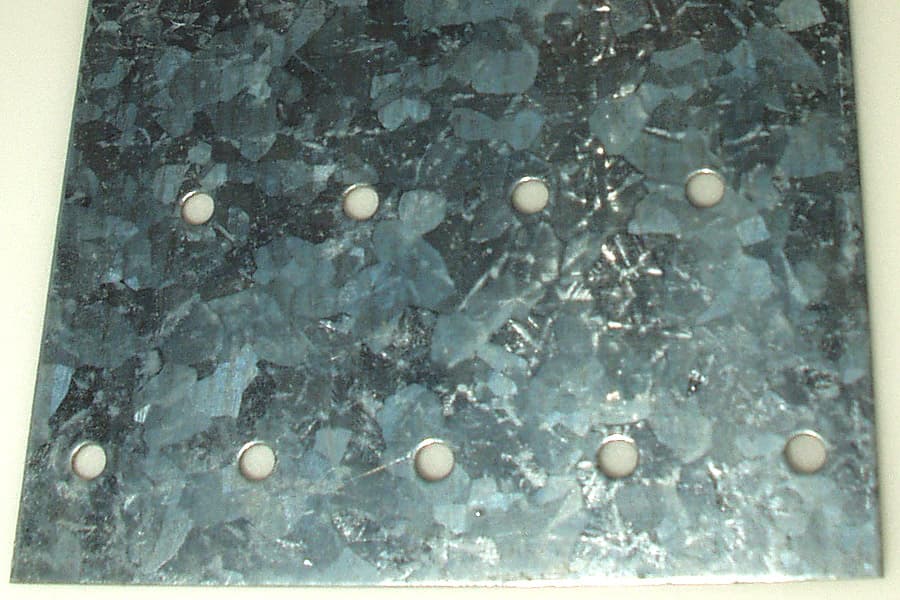
Steel is the default Australian trailer metal because it is cheap to buy, cheap to cut, and almost every town has someone who will weld it. Hot-dip galvanising gives it a sacrificial skin that suits coastal splash and farm hose-downs when the sections drain. It is heavy. It rusts from the inside of RHS if you let water in and do not let it out. It takes stone rash on a Pilbara haul road and then rusts in the rash if the zinc is gone.
Aluminium earns its keep where tare is payload — long boat trailers, aircraft-style plant decks, anything you want to keep under a licence or GCM threshold. It does not grow the brown scale that eats a steel boat trailer stored under a she-oak. It is softer under a dropped tyne, more expensive to buy, and fussy to weld. It also lives next to steel axles, steel springs and steel fasteners, which is where the chemistry starts.
Neither metal forgives a bad drawbar. Corrugations do not read alloy designations. They read geometry. Read C-channel, RHS and drawbar geometry before you let a salesperson sell you a metal as if it were a design.
| Climate | Steel, done properly | Aluminium, done properly | Usual failure if rushed |
|---|---|---|---|
| Coastal boat | Galvanised C-channel, drain holes, wash after ramp | Alloy frame, isolated steel running gear, sealed loom | Boxed steel full of salt; alloy deck on rusty steel bolts |
| Inland farm | Open sections, replaceable timber floor, hose-off | Lighter long decks, watch fertiliser in joints | Fertiliser in RHS; galvanic rot at mixed fasteners |
| Tropical wet | Drain everything, no dirt traps, maintain zinc | Good if joints stay dry | Powder over steel that never dries; alloy white-powder at screws |
| Outback plant | Repairable, triangulated drawbar, thick zinc or a maintainable paint | Tare saving on long hauls, fatigue-aware design | Cracked throat; steel hanger eating an alloy rail |
Coastal salt is not one problem
Salt finds boxed steel. That is the whole sentence. A C-channel you can wash and inspect will outlast an RHS "clean look" that holds last January's dunk. Galvanising helps only if the zinc can reach the surface and the water can leave. The galvanising versus powder coat choice sits under this metal choice, not above it. Powder on coastal steel is a barrier. Barriers scratch on a boat ramp.
Aluminium on the coast still has steel drums, steel springs, and a 7-pin plug that will go green without help. Specify stainless or well-isolated fasteners at the splash zone, and a loom that does not sit in the bilge line of the trailer. The metal of the rails will not save a wiring job that uses a self-tapper as an earth.
Wash habit beats material. The Port Lincoln trailer that is hosed, bung out, and stored with the plug off will look boring and last. The aluminium trailer that is parked with wet carpet against a steel winch post will look modern and pit.
Field note from Port Lincoln: the best coastal steel trailers I see have more holes in them than the worst ones. Someone drilled for the galvaniser and for the hose. The pretty sealed frames are the ones we cut open.
Inland and outback are fatigue climates
West of the ranges, rust is slower and cracking is faster. Corrugations work every joint. A steel drawbar with a sharp change of section and a weld that was never dressed will crack whether the rails are 3 mm or 5 mm. An aluminium drawbar designed like a steel one — the same gusset, the same sudden stiffness — will crack sooner, because aluminium does not have the same fatigue manners.
Repair culture matters here more than on the coast. A cracked steel hanger in a town with a farm welder is a Thursday. A cracked aluminium rail in the same town is a conversation about who has the right wire and whether you should have bought steel. If your trailer lives on a station, ask that question out loud before you chase 80 kg of tare.
Stone rash eats zinc and paint. It also peens aluminium and starts cracks at holes. Specify loom height, tyre sidewall, and a drawbar you can inspect from a crouched position at a roadhouse. The outback wiring piece is the electrical half of the same climate.
The mixed-metal trailer is a design, not a compromise
Plenty of honest Australian trailers are steel frames with aluminium floors, or aluminium decks on steel A-frames. That can work. It works when someone treats the joint as a product.
- Isolate aluminium from steel with non-conductive washers or a designed strip, not with a blob of silicone that will peel.
- Use fasteners that you can replace, and a pattern you can undo after five seasons of salt.
- Do not trap water in the lap. A chequer-plate floor that sits flat on a steel rail without a gap is a wet bandage.
- Earth the electrical system on purpose. Do not ask an aluminium rail and a steel wing nut to be a circuit.
White powder around a bolt hole is aluminium telling you the couple is working. Brown stain on the same hole is steel joining in. Neither is "just surface."
If the floor is the part you are really choosing, chequer plate, timber and composite is the more useful fork. Metal of the chassis and metal of the deck are related decisions, not the same one.
Weight, licence and the honesty of tare
Aluminium is sold on tare. Sometimes the sale is true. A long, light boat trailer can give you payload or keep a combination inside a licence class and a GCM. A short, low plant trailer with steel ramps, a steel winch and steel axles may save you the mass of a lunch bag.
Do the arithmetic the boring way. Ask for a predicted tare, then weigh the finished trailer. Payload is ATM minus current tare, not minus a brochure. That habit is in reading an Australian trailer plate and it does not change because the rails are a different colour.
Owner-builders sometimes choose aluminium to dodge a GCM problem they should have solved with a different ute or a lower ATM. That is a buying error wearing a materials hat. The towing hub is the place to face the combination. The metal will not invent mass that GCM already spent.
How to choose without a slogan
Choose steel when you want repairability, a hot-dip path, and a workshop culture that already exists in your town. Design it to drain. Pay for galvanising as a process, not as a colour. Accept the tare and use it in the plate arithmetic.
Choose aluminium when tare is a real constraint, you have a designer who has built alloy trailers that have lasted, and you have a welder in range. Pay for isolation at every steel meeting. Accept that regional repairs will be slower.
Choose a designed mix when you want a light deck on a stout, repairable frame, and you are willing to maintain the joints.
Do not choose from a Facebook photo of an American aluminium trailer that has never seen a Queensland wet season or a 50 mm coupling covered in red dust.
For official background on the vehicle you are attaching the metal to, the ADR index and your state transport site remain the compliance spine — transport.wa.gov.au if the trailer will live in the west, nt.gov.au if it will live in the Territory. Metal choice does not exempt you from plates, lights or brakes.
Next step: write one paragraph that names climate, repair town, and whether tare actually buys you payload. Take that paragraph to the fabricator before anyone mentions a brand of alloy. If you want the wider build context — finish, chassis and floors — start at the builds hub and keep this metal choice as one line in the brief, not the whole brief.
Questions readers ask
- Is aluminium always the better coastal trailer?
- No. Aluminium avoids red rust, but the running gear is still steel, the fasteners still corrode, and not every regional workshop will weld a cracked aluminium drawbar on a Saturday. A well-drained, hot-dip galvanised steel trailer with a wash habit often lasts longer in real coastal use than an aluminium deck on neglected steel axles.
- Why do mixed-metal trailers rot at the bolt holes?
- Aluminium and steel form a galvanic couple when they share an electrolyte — salt water, fertiliser, or a hose-down that sits in the joint. The aluminium tends to sacrifice itself around the fastener. Isolate the metals, use the right washers, and keep the joint dry, or accept that you are designing a maintenance item.
- Does aluminium save enough tare to matter on a car licence?
- Sometimes, on a boat trailer or a long, light deck where every 80 kg is payload or GCM headroom. On a short plant trailer the saving can vanish once you add steel axles, ramps and a winch. Weigh the design, do not assume the brochure tare.
- Which material handles outback corrugations better?
- Either, if the geometry is right. Corrugations punish drawbar joints, spring hangers and looms more than they punish the alloy. Steel is easier to repair in a remote workshop; aluminium wants a fatigue-aware designer and a welder who knows the alloy. Specify the chassis, then pick the metal.