Questions to ask a trailer manufacturer before you sign
Walk the factory with a written question list. A builder who cannot answer compliance, weld procedure and after-sales in plain English is not ready for a deposit.
By Riley Hart · 24 February 2025 · Updated 1 September 2025 · 7 min read · 1,487 words
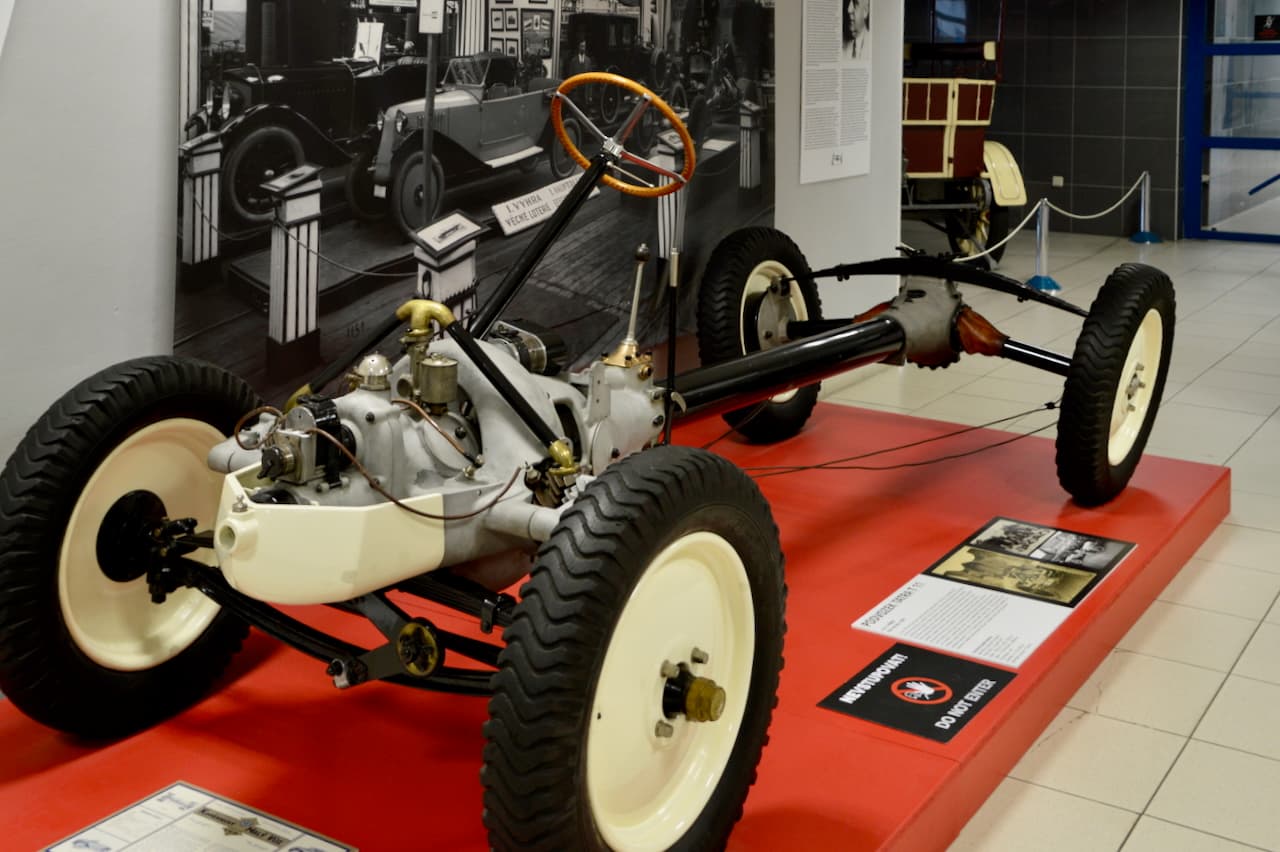
A Thursday morning in a western Sydney fabrication shed, roller door up, radio on, the smell of emulsion and hot zinc still on a chassis that came back from the galvaniser yesterday. The salesperson has a folder. The leading hand has a chalk pencil. You have a deposit figure in mind and a brief in your pocket. The next forty minutes decide whether that deposit buys a trailer or an argument.
Australian trailer manufacturers range from one-man shops that will still answer the phone in seven years, to busy lines that will build you a competent tandem and forget your name. Neither is automatically the wrong choice. The wrong choice is signing because the quote was the middle number and the tea was friendly. Custom trailers are not appliances. You are buying a process — design, weld, dip, wire, plate — and a person who will still talk to you when a spring hanger cracks on the Barrier Highway.
This is a question list, not a vibe check. Take it printed. Write the answers down in front of them. If you have not yet costed the layers of the job, read budgeting a custom trailer build so you know which answers should move the number.
Compliance and the plate
Start here, before anyone shows you a toolbox option.
Which ADRs do you build this trailer to, and who is responsible for the identification plate? You want lighting, brakes and mechanical connections named, not "we do everything right." The Australian Design Rules are public. A builder who works to them can talk about them.
What ATM, GTM and tare will you put on the plate, and how do you weigh tare? If they estimate tare from the last one like it, say so. You will weigh it anyway. Reading the plate is your job after they stamp it.
What brake system matches this ATM, and is breakaway included? Over-run, electric, hydraulic — pick one and attach it to the number. "We'll see how it comes out" is not a brake specification.
Which state will I register in, and what do you supply for that agency? A Sydney builder sending a trailer to Townsville should already know that TMR and Transport for NSW do not share a counter. VicRoads has its own towing and trailer pages. If they have never registered one in your state, that is not fatal. It is a line on the quote.
Will the coupling, chains and attachment points be rated for the ATM on the plate? 50 mm is common. The stamp still has to match. Ask to see the coupling they will fit, not a photo of a nicer one.
Field note from western Sydney: the leading hand who crawled under the display trailer and pointed at a drain hole without being asked was the person I trusted. The folder full of lifestyle pictures was not.
Steel, weld and finish
These questions are how you tell a fabricator from a reseller.
What profile and thickness are the rails, the drawbar and the crossmembers? You want mill sizes, not "heavy steel." C-channel and RHS behave differently in salt and on corrugations. Chassis design is the technical companion to this conversation.
How do you treat cut edges, weld spatter and mill scale before finish? A dip or a powder coat over black scale is a short-term shine. Ask who grinds, who blows out boxed sections, and who drills the holes the galvaniser needs.
Who galvanises or powders, and who repairs threads and seizes after? A workshop that owns that relationship will talk about chasing a 50 mm coupling thread and replacing plugs that filled with zinc. A workshop that does not will say "the dipper handles it."
Do you isolate aluminium from steel, and how? Mixed-metal trailers fail at the bolt holes. If they are selling an aluminium deck on a steel frame, you want isolation washers and a fastener plan, not a shrug. Steel versus aluminium is worth reading before you let this become a sales choice.
Can I see a trailer that has been out for two years, not one that left last week? A builder with a local customer will know where to look. A builder who only has yard queens is telling you something.
Walk the floor. Look at the jig. Look at whether drain holes exist before the zinc. Look at loom clamps on a finished trailer. You do not need a trade certificate to see a self-tapping screw used as an earth.
Electrical, running gear and the bits that fail on the road
7-pin or 12-pin, and how is the loom routed? Ask where it crosses the drawbar, how it is protected at the frame edge, and where the earth lands. If the trailer will see dirt, you want the habits in outback wiring, not a cable-tied loom against a sharp rail.
Which axles, brakes and tyres, with ratings? Write the brand and the load figures. "Quality Chinese drums" is not a rating. Match the axle pair to GTM, and the tyres to the axle.
What is the bearing and seal arrangement, and do you recommend a dunk-and-wash procedure for boat work? Coastal customers should hear a procedure. Inland customers should hear a grease interval.
Where is the spare, and can I change a wheel without crawling under a loaded deck? A spare that exists only on the quote is a spare you will buy at a roadhouse.
What lighting do you fit, and are the lamps serviceable? Sealed LED modules are fine until the one you cannot buy in Dubbo on a Sunday. Ask about availability.
Money, time and the person you will call
What is in the drive-away price, listed as exclusions? Make them write the negative space. Registration fees, a spare, a brake controller for your ute, and a second plug adapter are the usual ghosts.
What is the deposit, the milestone schedule, and who holds title at each stage? You want dates attached to steel-in, welded, dipped, wired, ready. "Around eight weeks" is not a schedule.
What happens if the galvaniser or a supplier blows the date? A grown-up answer names the delay and the communication. An answer that blames "them" in advance will blame you later.
What warranty covers structure, running gear and electrical, and who does the work if I am 800 km away? A five-year structural warranty you can only redeem in one industrial estate is a brochure. Ask how they have handled a cracked hanger for a regional customer.
Will you give me the build sheet, the ratings and a photo of the plate? You will need this when you sell it, when you modify it, and when a used-trailer buyer applies the used checklist.
Can I talk to the person who will weld it, not only the person who priced it? In a small shop that is the same human. In a larger one, the gap between quote and weld is where "we'll just use what we have" lives.
Red flags that should end the visit
- They cannot show a plate on a finished trailer, or the plate numbers do not match the quote.
- They discourage a weighbridge visit after pickup.
- They want the balance before the trailer exists.
- They talk down ADR, state agencies or "city rules" as if rural use were a legal category.
- They will not put the ATM, brake type and finish process in an email.
- The only electrical earth you can see is a painted rail and a zinc-plated screw.
None of those require you to be rude. Thank them for the tea and leave. There are other sheds.
If you want a second opinion on whether a brief is fair before you walk in, the buying hub is the overview and write for us is open if you are a builder who thinks our question list is missing a line. We would rather hear it from a workshop than from a brochure.
How to use the answers
Type them up that afternoon, while you still remember which leading hand said what. Send the list back as "this is my understanding of the job." The reply is the contract, even if the formal one is a one-page invoice.
Compare two manufacturers on the quality of the answers, not on the courtesy of the tour. A slightly dearer shop that named the ADR, the dipper and the warranty path will be cheaper than a cheap shop the day the coupling thread is full of zinc and nobody owns it.
Next step: print this list, add your ATM and tow-vehicle ratings at the top, and book the factory visit before you transfer a dollar. If you would rather we explained how we treat manufacturers in copy, read editorial standards first — we do not take a deposit question and turn it into an advertorial.
Questions readers ask
- What is the one question that sorts a workshop quickly?
- Ask which Australian Design Rules they build to, and how those choices appear on the identification plate. A straight answer names mechanical connections, lighting and brakes in workshop language. A shrug, or a speech about how they have never had a problem, is your exit.
- Should I visit the factory if the quote is good?
- Yes, if the trailer is more than a commodity 6x4. You are looking at weld quality, drain holes, how they store steel, and whether the trailer in the yard matches the drawing they priced. Photos of a clean floor tell you less than ten minutes under a finished drawbar.
- How much deposit is reasonable?
- Enough to secure steel and a slot, not the balance of the job. Stage the rest against visible milestones. If the builder needs the full amount to start, you are lending them working capital. Get the milestone list in the same email as the quote.
- What if the manufacturer will not put answers in writing?
- Then you do not have answers. Verbal assurances about galvanising, ATM and warranty disappear the day the salesperson changes jobs. A short email reply is enough. Silence after a written list is a decision.